The following represent the main research areas This Lab has been focusing on in recent years, reflecting our commitment to advancing fundamental knowledge and real-world applications in electrical and computer engineering:
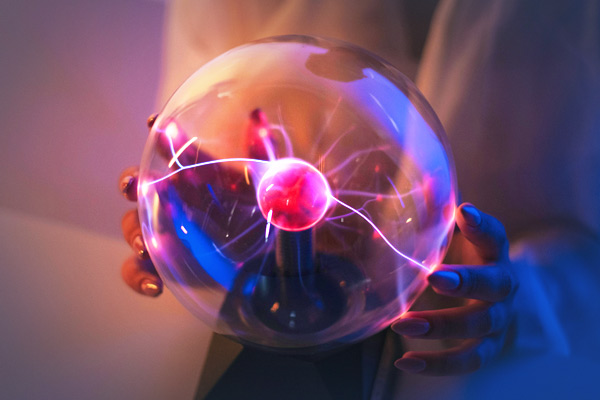
Wireless power transfer (WPT) is the transmission of electrical energy without physical wires, using time-varying electromagnetic fields to send power from a transmitter to a receiver. Common methods include inductive coupling (used in most smartphones), magnetic resonance, and radio frequency (RF). WPT offers convenience, is useful for hard-to-wire applications like implanted medical devices, and is being developed for electric vehicles and drones.

Energy can be harvested from AC lines by capturing the electromagnetic fields generated by the current flowing through the lines. Common methods involve using electromagnetic induction with a coil that moves relative to the line's magnetic field, or by using the stray electric field with a capacitive harvester that is placed around the wire. Both approaches allow the energy to power small devices, like wireless sensors in smart grids, without direct electrical connection to the line.
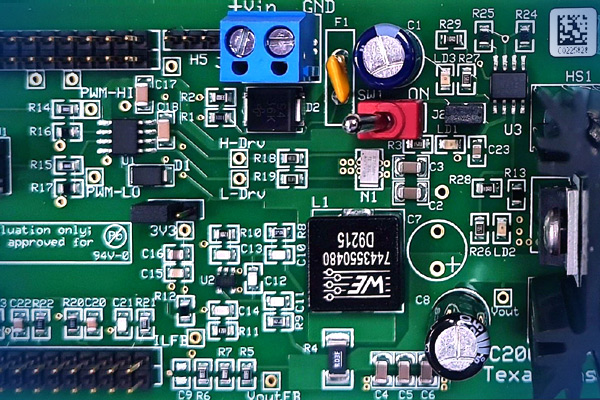
Applied control in a power system refers to the application of control theory to manage the generation, distribution, and consumption of electricity to ensure stability, efficiency, and reliability. It involves using automated systems and advanced methodologies to maintain power quality by balancing supply and demand, controlling voltage and frequency, and responding to faults or changing load conditions, especially with the integration of renewable energy sources.
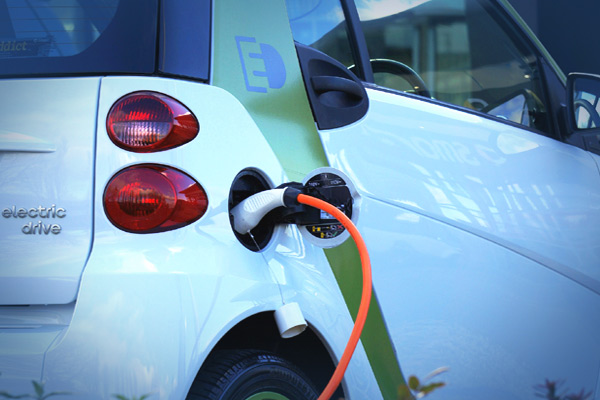
An electric drive is a system that converts electrical energy into mechanical energy to control the motion, speed, and torque of machines. It includes an electric motor and a controller, which precisely manages the electrical energy supplied to the motor to achieve a desired output, such as a fan, pump, or electric vehicle. Electric drives are known for their simplicity, efficiency, and clean operation, making them a popular choice for a wide range of applications.
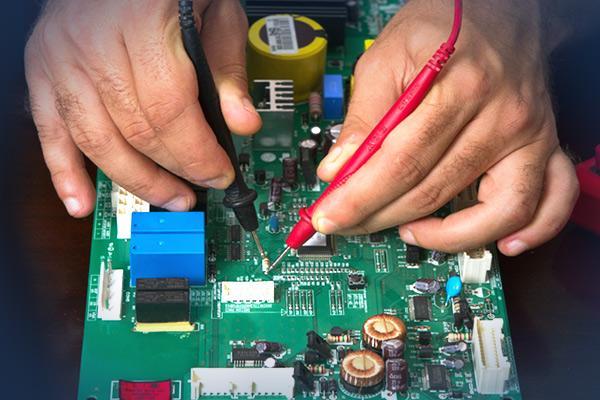
A power converter is an electrical device that transforms electrical energy from one form to another, typically by changing the voltage, current, or frequency. It can convert between AC (alternating current) and DC (direct current) or adjust the voltage level of a DC input. Common types include AC-to-DC rectifiers, DC-to-AC inverters, and DC-to-DC converters, which are essential in many electronic and electrical systems.